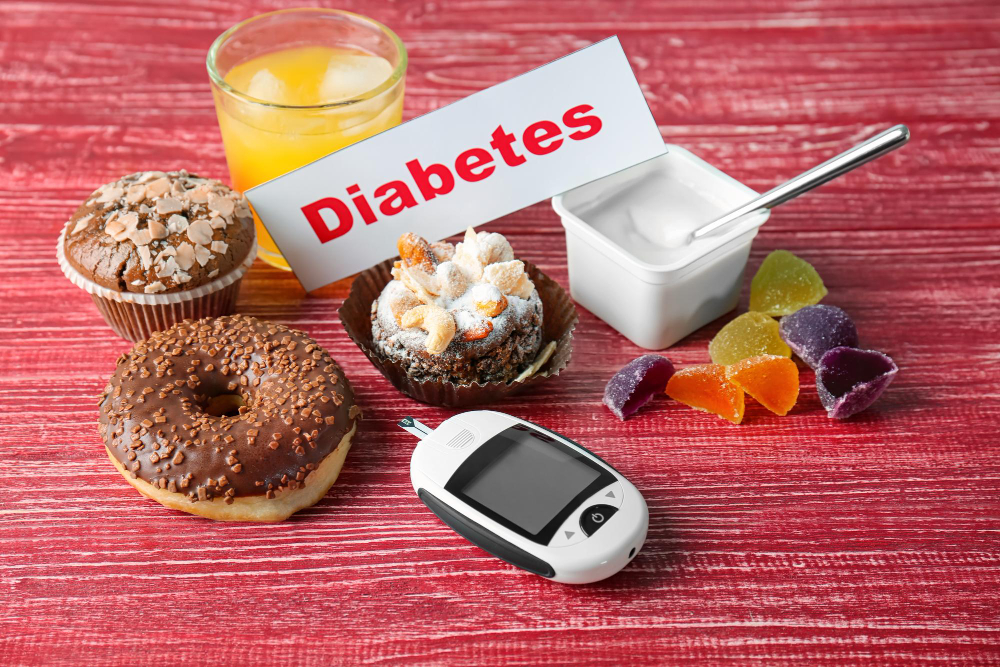
What is Type 1 Diabetes?
Type 1 Diabetes is a lifelong condition. It happens when the body stops making insulin. Insulin is a hormone that helps sugar enter your cells for energy. Without insulin, sugar builds up in the blood. As a result, people with Type 1 Diabetes need daily insulin. This condition often starts in children or young adults. However, it can develop at any age. According to the CDC, Type 1 Diabetes affects about 5-10% of all people with diabetes.
Common Symptoms of Type 1 Diabetes
Early signs of Type 1 Diabetes can appear quickly. Therefore, it is important to know what to look for. Some common symptoms include:
If you notice these signs, especially in children, seek medical help right away. Early diagnosis can prevent serious problems.
How is Type 1 Diabetes Diagnosed?
Doctors use several tests to diagnose Type 1 Diabetes. Usually, they start with a blood sugar test. If your blood sugar is high, more tests may follow. For example, doctors may check for certain antibodies. These antibodies show that the body is attacking its own insulin-making cells. Some common tests include:
Early diagnosis helps with better long-term diabetes care. If you live in a city with good medical centers, you can get these tests done quickly.
Long-Term Blood Sugar Management Strategies
Managing blood sugar in Type 1 Diabetes is a daily task. But with the right plan, you can live a healthy life. Here are some key strategies:
In addition, using a continuous glucose monitor (CGM) can help. This device checks your blood sugar all day. It alerts you if your levels are too high or low. According to the American Diabetes Association, good blood sugar control lowers the risk of problems.
Lifestyle Tips for Living with Type 1 Diabetes
Living with Type 1 Diabetes means making healthy choices every day. However, small changes can make a big difference. Try these family medicine diabetes tips:
Furthermore, joining a support group can help you feel less alone. Many people find comfort in sharing their experiences.
Prevention and Risk Reduction
Currently, there is no known way to prevent Type 1 Diabetes. It is not caused by lifestyle or eating habits. Instead, it happens when the immune system attacks insulin-making cells. But, you can reduce the risk of complications by managing your blood sugar well. For example, regular doctor visits and healthy habits help protect your heart, eyes, and kidneys.
When to See a Doctor
It is important to know when to seek medical help. See a doctor if you notice symptoms like extreme thirst, frequent urination, or sudden weight loss. Also, contact your healthcare provider if your blood sugar is often too high or low. Early care can prevent serious health problems. If you have questions about Type 1 Diabetes care in your area, ask your doctor for local resources.
In summary, Type 1 Diabetes requires daily care and support. But with the right steps, you can lead a full and active life. Consult Dr. Baset Hakim for personalized advice on Type 1 Diabetes management.